this article provides practical and executable suggestions around the "hardware and network configuration checklist for building a japanese cs server cloud platform at low cost". the goal is to obtain a stable, low-latency cs (billing/control/game) server environment with a limited budget, taking into account scalability and ease of operation and maintenance, and is suitable for teams or individuals seeking cost-effective deployment.
clarifying the goal is the first step: to build a cs service node for japanese users, giving priority to ensuring low latency and stability, while controlling single node costs. it is necessary to balance cpu, memory, io and bandwidth resources, and preset capacity and concurrency targets to facilitate subsequent hardware and network configuration and expansion planning.
it is recommended to use a mid-range multi-core cpu (4–8 cores) and 16–32gb of memory as a starting point to handle concurrent connections and process requirements. storage is mainly nvme or enterprise-class ssd, distinguishing system disks and game/data disks, and considering raid or snapshot solutions to improve io stability and reliability.
choose a local computer room in japan or a network provider with japanese backbone nodes, giving priority to ensuring uplink bandwidth and low jitter. configure at least symmetric bandwidth entrances, enable traffic monitoring, qos and reasonable port/protocol policies, and use cross-machine room redundancy and intelligent routing to reduce the risk of single points of failure when necessary.
use lightweight virtualization or container technology to improve resource utilization and deployment speed. divide independent instances or containers for different services to facilitate isolation and elastic scaling. host monitoring and resource quotas are retained, and automated scripts are combined to achieve rapid expansion and rollback.
deploy the principle of least privilege, firewall rules, and intrusion detection to limit management interface access sources. develop a regular backup and snapshot strategy, test the recovery process, and save key logs and backups offsite or in object storage to ensure quick rollback in the event of a failure.
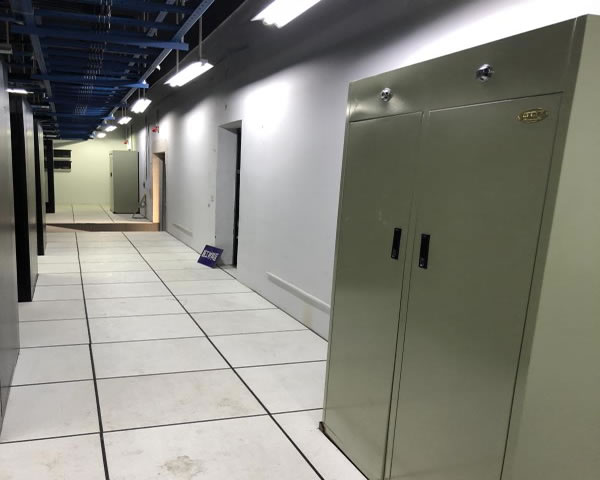
reduce initial investment through modular design: deploy core nodes first and use horizontal expansion to increase capacity. monitor key indicators to achieve on-demand expansion, and choose a flexible combination of pay-per-use or annual and monthly subscriptions to avoid waste caused by one-time purchase of excess resources.
establish a unified monitoring platform covering cpu, memory, disk io, network latency and number of connections. set alarm thresholds and implement automated alarms and self-healing scripts, regularly perform stress tests and security scans, and ensure the long-term stable operation of the japanese cs server cloud platform from an operation and maintenance perspective.
building a japanese cs server ptz at a low cost requires a balance between hardware specifications, network access and operation and maintenance strategies. it is recommended to start with medium configuration and local bandwidth, use virtualization and automated monitoring to expand in stages, and pay attention to backup and security to reduce long-term risks.
- Latest articles
- Popular tags
-

Detailed Explanation And Optimization Plan Of Japanese Vps B’s Network Egress And IPv4 Allocation Strategy
Detailed explanation of the network egress architecture and IPv4 allocation strategy of Japanese vps b, including executable suggestions such as bandwidth and routing optimization, NAT and public IP savings, security compliance and BGP multi-line, suitable for operation and maintenance and procurement reference. -
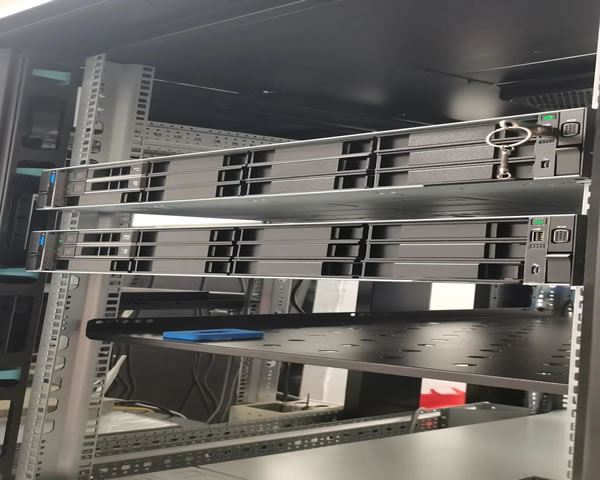
Recommendations And Reviews Of Japanese Cloud Server Production Companies In Yanbian Area
this article recommends and evaluates japanese cloud server production companies in yanbian area to help you choose a suitable service provider. -

The Best Channels And Suggestions For Purchasing Japanese Cloud Servers
this article discusses the best channels and suggestions for purchasing japanese cloud servers to help users choose appropriate cloud services.